7 Water Heater Maintenance Tips for Huntsville, AL Homeowners
Your water heater is one of the hardest-working appliances in your home — quietly delivering hot water for showers, laundry, dishes, and more every single day. Yet most homeowners in Huntsville, Alabama give it almost no attention until something goes wrong. And when a water heater fails, it fails at the worst possible time: a cold shower on a January morning, a flooded utility room, or a cascade of repairs that could have been prevented with a little routine care.
The good news is that water heater maintenance doesn't have to be complicated or time-consuming. With a few simple checks and occasional professional attention, you can dramatically extend the life of your unit, maintain peak efficiency, and avoid the headaches — and costs — that come with unexpected failures. Whether you have a traditional tank-style water heater or a tankless unit, the principles of good maintenance apply.
Here are seven essential water heater maintenance tips every Huntsville, AL homeowner should know — along with the signs that tell you it's time to call a licensed plumber for a professional inspection.
1. Flush the Tank Annually to Remove Sediment Buildup
Sediment buildup is the number one cause of premature water heater failure, and it's an almost universal problem in tank-style units. Here in Huntsville, our water supply contains natural minerals — primarily calcium and magnesium — that settle to the bottom of your tank over time. This sediment layer acts as an insulating barrier between your burner (or heating element) and the water it's supposed to heat, forcing your unit to work harder and use more energy to reach the desired temperature.
Over the years, heavy sediment accumulation causes a phenomenon known as "popcorn" or "rumbling" — a deep knocking or rumbling sound coming from your water heater when it's heating. That sound is sediment and water interacting at the bottom of the tank, and it's a clear signal that a flush is long overdue. Excessive sediment can also create hot spots on the bottom of the tank, which accelerate corrosion and can lead to cracks and leaks.
Flushing the tank involves connecting a garden hose to the drain valve at the base of the unit and allowing the water — along with suspended sediment — to drain out. It's a manageable DIY task for many homeowners, but if you're not comfortable doing it or haven't flushed the tank in several years, calling a plumber for professional water heater service is the safest approach. At minimum, tanks should be flushed once a year to keep sediment from causing lasting damage.
2. Test the Temperature and Pressure Relief (T&P) Valve
The temperature and pressure relief valve — commonly called the T&P valve — is one of the most critical safety components on your water heater. Its job is simple but vital: if the temperature or pressure inside the tank rises to dangerous levels, the T&P valve opens to release the excess and prevent a catastrophic failure. Without a properly functioning T&P valve, a water heater under extreme pressure could rupture.
Unfortunately, T&P valves are often neglected — and a valve that's never been tested can seize in the closed position, meaning it won't open when it's needed most. Testing the valve is straightforward: lift the small lever on the valve briefly (with a bucket or drain pipe in place to catch hot water), then release it. The valve should snap back closed and stop the flow of water completely. If it doesn't close, drips afterward, or the lever won't move, the valve needs to be replaced.
T&P valves should be tested at least once a year and replaced every five to ten years as part of routine maintenance. This is an inexpensive part, but the safety implications of a failed valve are significant. If you're ever unsure about the condition of your valve, a quick call to J Henry Plumbing can give you peace of mind quickly and affordably.
3. Inspect the Anode Rod Every 2–3 Years
The anode rod is often called the "sacrificial rod" — and for good reason. This metal rod (typically magnesium or aluminum) is suspended inside your water heater tank for one purpose: to attract corrosive minerals and electrolytic action in the water, sacrificing itself so your tank doesn't corrode from the inside out. It's one of the most important — and most overlooked — components of water heater maintenance.
Over time, the anode rod is consumed by corrosion. Once it's depleted, the corrosive activity doesn't stop — it turns its attention to the tank itself. A corroded tank will eventually develop leaks, and at that point the entire unit typically needs to be replaced. The sad truth is that many water heater failures are preventable simply by replacing a spent anode rod before the tank is damaged.
Anode rods should be inspected every two to three years and replaced when they've been reduced to a core wire with less than half an inch of material remaining. This is a task best handled by a licensed plumber, since it requires draining part of the tank and using the right tools to remove the rod. If your water heater is more than five years old and the anode rod has never been checked, this is an important preventive step to discuss when you request an inspection.
4. Check and Adjust the Temperature Setting
Most water heaters are shipped from the factory set to 140°F, but the U.S. Department of Energy and most plumbing professionals recommend setting your water heater to 120°F for the ideal balance of energy efficiency and safety. At 140°F, your water heater uses significantly more energy and creates a real scalding risk — especially dangerous for young children and the elderly. At 120°F, water is hot enough for all household needs while posing minimal scalding risk and consuming noticeably less energy.
Finding and adjusting the temperature dial varies by model. On gas water heaters, the dial is typically on the gas valve at the base of the unit. On electric water heaters, you may need to remove an access panel (and turn off power at the breaker first) to access the thermostat. If your water never seems quite hot enough at 120°F, a plumber can inspect the unit for thermostat issues or other efficiency problems that might be reducing performance.
A helpful rule of thumb: if the water at your tap feels scalding hot and you're constantly adding cold water to make a comfortable shower, your water heater is likely set too high. If you're running out of hot water faster than you used to, a thermostat or heating element issue may be to blame — both situations worth a call to your local plumbing professional.
5. Insulate Older Units and Exposed Pipes
If your water heater is more than ten years old and located in an unconditioned space — like a garage or utility room without climate control — adding an insulating blanket to the tank can make a meaningful difference in energy efficiency. Water heater blankets are inexpensive, widely available at hardware stores, and can reduce standby heat loss by 25 to 45 percent, translating to real savings on your monthly utility bills over time. Before wrapping your unit, check whether it already has adequate built-in insulation, as most modern water heaters do.
Insulating the first few feet of hot water pipes leaving your water heater is another simple and effective efficiency measure. Pipe insulation keeps water in those pipes hotter longer, so you spend less time waiting for hot water to arrive at the tap and less energy reheating water that has cooled in the pipes. Pre-slit foam pipe insulation is easy to install and costs very little. It also helps protect pipes in unconditioned spaces from freezing during Huntsville's occasional cold snaps.
In North Alabama, where winter temperatures can dip into the 20s, protecting pipes in exposed areas from freezing is important. Homes with pipes running through exterior walls, attics, or crawl spaces are most at risk. A fall plumbing inspection is a great opportunity to identify any vulnerabilities before cold weather arrives.
6. Watch for Early Warning Signs of Trouble
One of the most valuable things you can do for your water heater — and your home — is to simply pay attention to it regularly. Most water heater failures don't happen overnight; they develop over time and give off warning signs that something is wrong. Catching these signals early can mean the difference between a simple repair and a full emergency replacement, or worse, significant water damage to your home.
Rusty or discolored hot water is a red flag. It can indicate internal corrosion of the tank or pipes, or a depleted anode rod that has allowed the tank itself to begin corroding. Discolored hot water warrants a call to a plumber for assessment. A metallic taste or odor in your hot water is similarly concerning and should be investigated promptly.
Water pooling around the base of the unit is another clear warning sign. Small amounts of condensation can be normal during high-demand periods, but standing water or visible drips from the body of the tank indicate a leak — which often means the tank has begun to fail from internal corrosion. A leaking tank cannot be repaired and must be replaced. The sooner you catch it, the less risk of damage to surrounding areas.
Inconsistent hot water — running out faster than usual, not getting as hot as it used to, or fluctuating temperatures — can signal sediment buildup, a failing heating element, a faulty thermostat, or a burner issue. Unusual noises like popping, rumbling, or banging are almost always a sign of sediment at the bottom of the tank. Any of these symptoms is a good reason to request an inspection from J Henry Plumbing sooner rather than later.
7. Know When It's Time to Replace Your Water Heater
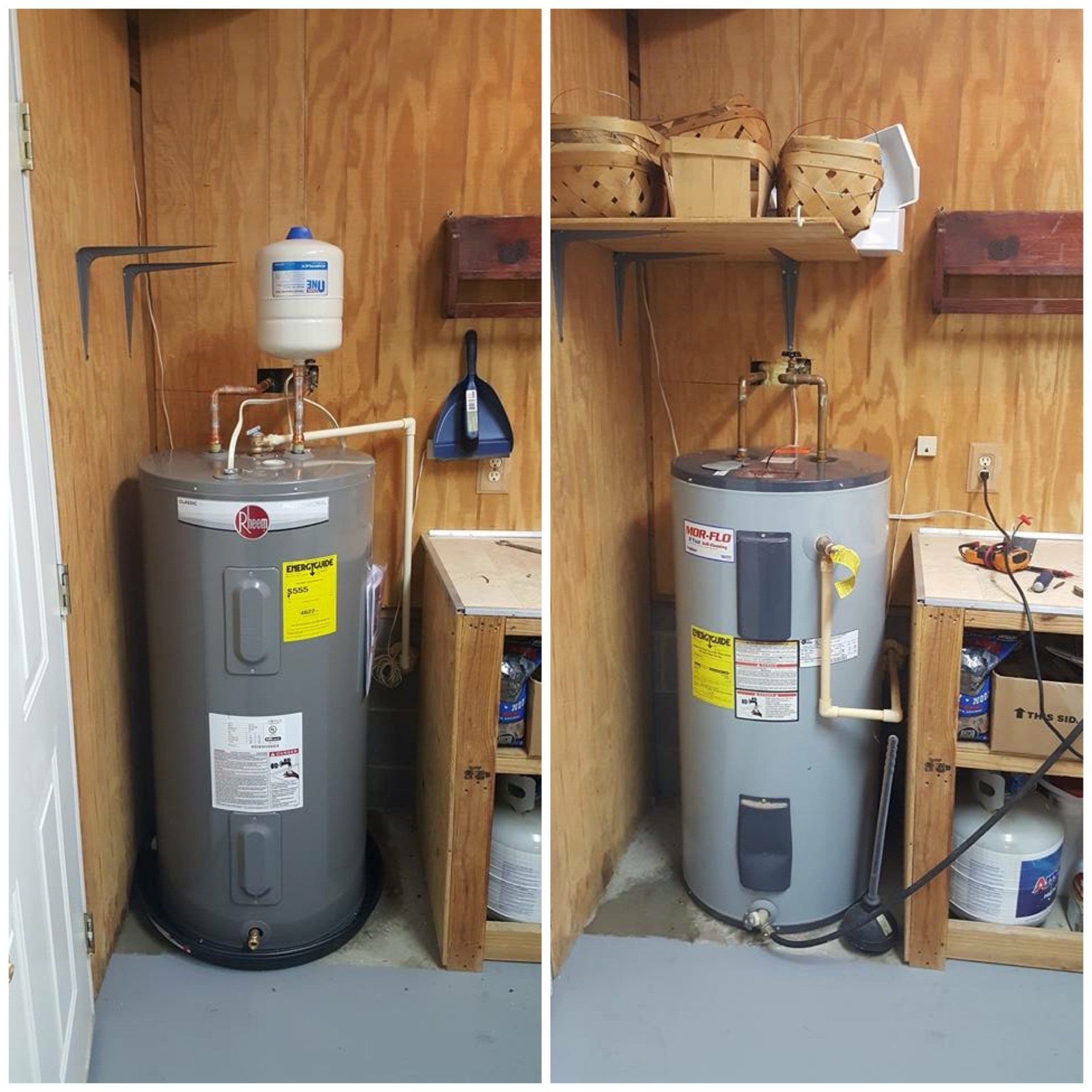
Even with excellent maintenance, water heaters don't last forever. The average lifespan of a traditional tank-style water heater is 8 to 12 years, though well-maintained units can sometimes last longer. Tankless water heaters can last 20 years or more with proper care — one of the key advantages of upgrading. As your unit approaches the end of its expected lifespan, it's smart to plan for replacement rather than waiting for an unexpected failure.
Replacing an older water heater proactively — before it fails — gives you the luxury of choosing the right unit at the right price, without the stress of an emergency. You can compare options, consider upgrades like tankless technology or a heat pump water heater for improved efficiency, and schedule installation at a convenient time. Emergency water heater replacements almost always cost more and offer fewer choices than planned ones.
When considering replacement, think about both current and future household needs. If your family has grown, you may need a higher-capacity unit. And if your current water heater is in an inconvenient location, a replacement is a good opportunity to discuss relocation options. A professional assessment from J Henry Plumbing's team can help you navigate all of these decisions with confidence. We also offer sewer and drain cleaning services to keep your entire plumbing system healthy.
Request a Water Heater Inspection Today
Whether you're dealing with an existing issue, noticing warning signs, or simply want peace of mind that your water heater is in top condition, the team at J Henry Plumbing is here to help. We provide professional water heater inspections, maintenance, repairs, and replacements for homeowners throughout Huntsville, AL.
Don't wait for a cold shower or a flooded utility room to find out your water heater needs attention. Request an inspection with J Henry Plumbing today and let our experienced team give your water heater — and your entire plumbing system — a thorough professional review. A small investment in preventive maintenance now can save you thousands in emergency repairs or premature replacement down the road.
You might also like
Plumbing News