Signs Your Sewer Line Is Deteriorating (And What to Do About It)
Your sewer line is one of the most important — and most overlooked — components of your home's plumbing system. Buried underground, it silently handles every drop of wastewater that leaves your house: from showers and laundry to toilets and kitchen drains. When it's working properly, you never give it a second thought. But when it begins to deteriorate, the warning signs can range from mildly inconvenient to seriously damaging, affecting your home's foundation, your yard, and potentially your family's health.
For homeowners in Huntsville, AL and throughout the surrounding area, understanding the signs of sewer line deterioration is critical to protecting your property before a minor issue becomes a major emergency. This guide walks you through the most common warning signs, explains what causes sewer lines to fail, and describes what you can do — including when to request an inspection from a licensed plumbing professional.
1. Slow or Gurgling Drains Throughout the House
A single slow drain is usually a localized clog — a buildup of hair, soap scum, or grease in that particular fixture's drain line. But when multiple drains throughout your home are draining slowly at the same time, or when you hear gurgling sounds from toilets or drains that aren't actively in use, that's a strong indicator of a problem further down the line — in the main sewer line that connects your home to the municipal system or your septic tank.
The gurgling sound is caused by air bubbles working their way back up through the plumbing as wastewater struggles past a partial obstruction or a section of damaged pipe. When the main sewer line is compromised, whether by a blockage, a root intrusion, or structural damage, it creates back-pressure that pushes air into the drain system. You'll often notice it first in lower-level fixtures like basement floor drains or first-floor toilets, since these are closest to the sewer line and experience the back-pressure most directly.
If flushing one toilet causes water to bubble up in a nearby bathtub, or if running the washing machine causes a toilet to overflow, these are textbook signs of main sewer line trouble. These aren't problems that resolve on their own, they indicate a system that is being stressed and is likely to worsen progressively until a backup or failure occurs.
2. Sewage Backups and Recurring Clogs
A sewage backup is one of the most alarming plumbing events a homeowner can experience. Raw sewage entering your living space is not just a cleanup nightmare, it's a health hazard that requires immediate professional attention. But it's important to understand that a backup rarely appears without warning. In most cases, multiple smaller signs have been present for weeks or months before a full backup occurs.
Recurring clogs that keep returning despite being cleared are a major red flag. If you're calling a plumber every few months to clear the same drain, and the clog keeps coming back, it means the underlying cause hasn't been addressed. Root intrusion into the sewer line, for example, will cause recurring blockages even after the immediate clog is removed, because the roots continue to grow back into the pipe through the same crack or joint gap that allowed initial entry.
Similarly, if you notice sewage odors in your home, basement, or yard without a visible backup, this can indicate a crack or break in the sewer line that is allowing sewer gases to escape. Sewer gas contains hydrogen sulfide, which is both toxic and flammable at sufficient concentrations. The smell of rotten eggs in or around your home is never something to ignore — it warrants a professional inspection to locate the source and assess the severity of the problem.
3. Lush Green Patches or Sinkholes in Your Yard
If you notice an unusually green, lush patch of grass in your yard — especially a strip that runs roughly in line with where your sewer lateral would be — it's worth paying close attention. A leaking sewer line effectively fertilizes the soil above it with nutrient-rich effluent, causing grass and vegetation to grow faster and greener than surrounding areas. What looks like healthy grass could actually be a sign of a slow sewer leak underground.
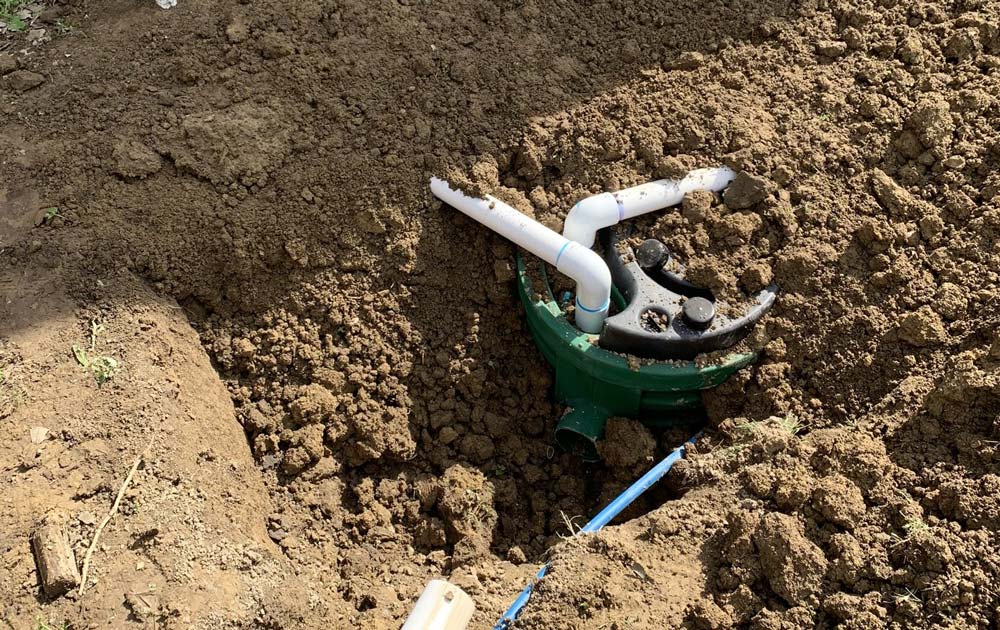
More alarming is when you notice soft, soggy areas in your yard, depressions, or actual sinkholes forming above where the sewer line runs. These occur when a significant break or collapse in the sewer pipe allows soil to shift and wash into the pipe over time, creating a void underground. The surface above the void eventually settles or collapses, creating the sinkhole. This is a structural issue that requires immediate attention — the void can grow and potentially affect nearby structures, driveways, or your home's foundation.
In Huntsville, AL, clay soil conditions can be particularly problematic for aging sewer lines. Clay soil expands and contracts significantly with moisture changes, putting stress on sewer pipe joints and accelerating deterioration in older clay or cast iron pipes. Homeowners with properties built before the 1980s should be especially attentive to these yard warning signs.
4. Foundation Cracks and Structural Changes
A slow sewer leak beneath or near a home's foundation is one of the most destructive plumbing problems a homeowner can face. Water released from a broken sewer line softens and erodes the soil beneath the foundation, removing the stable base that the foundation depends on. Over time, this leads to differential settlement, the foundation sinks unevenly, which manifests as cracks in walls, floors, and the foundation itself, as well as doors and windows that suddenly stick or no longer close properly.
Foundation damage from plumbing leaks is expensive to repair and can take years to manifest fully once the underlying cause is removed. The earlier a sewer line leak beneath a foundation is detected and repaired, the less secondary damage accumulates. If you're noticing new cracks in your drywall, particularly horizontal or diagonal cracks near door and window frames, or if doors that previously operated smoothly now stick, having your sewer line inspected is a prudent step — especially if you haven't had a recent assessment of your plumbing system.
5. Your Sewer Line Is Simply Old
Different pipe materials have different lifespans, and many homes in Huntsville, AL were built with pipe materials that are now at or past the end of their expected service life. Cast iron pipes, common in homes built before 1960, typically last 75–100 years but are susceptible to corrosion and cracking in acidic soils. Clay pipes, also common in older construction, are brittle and prone to root intrusion and joint failures. Orangeburg pipe — a tar-paper composite material used during the 1940s and 1950s — has a lifespan of only 50 years and is notorious for deforming and collapsing, making it one of the most urgent replacement situations in older properties.
PVC and ABS plastic pipes, which became standard in new construction from the 1970s onward, are significantly more durable — with expected lifespans of 75–100 years under normal conditions. However, even plastic pipes can be damaged by root intrusion, ground movement, improper installation, or chemical damage from harsh drain cleaners used over decades.
If you don't know what material your sewer line is made of, or when it was last inspected, requesting a professional sewer camera inspection is the most direct way to find out. A camera inspection threads a flexible camera through the sewer line, providing real-time video of the pipe's interior condition — identifying cracks, root intrusion, buildup, joint gaps, and any areas of deformation or collapse. It's non-invasive, typically completed in an hour, and provides the definitive picture of your sewer line's current condition.
What to Do If You Suspect Sewer Line Problems
If you're seeing any of the warning signs described above — slow drains, recurring clogs, sewage odors, green patches in the yard, or foundation changes — the most important thing you can do is request a professional inspection promptly. Don't wait for a full backup or a visible collapse. The difference between catching a deteriorating sewer line early versus late can be the difference between a targeted repair and a complete sewer line replacement with extensive excavation.
J Henry Plumbing serves homeowners throughout Huntsville, AL with comprehensive sewer line services including camera inspections, drain cleaning, pipe repair, backhoe services for excavation, and pump installation. Our experienced team can assess the condition of your sewer system, identify the source of any problem, and recommend the most cost-effective path forward for your specific situation.
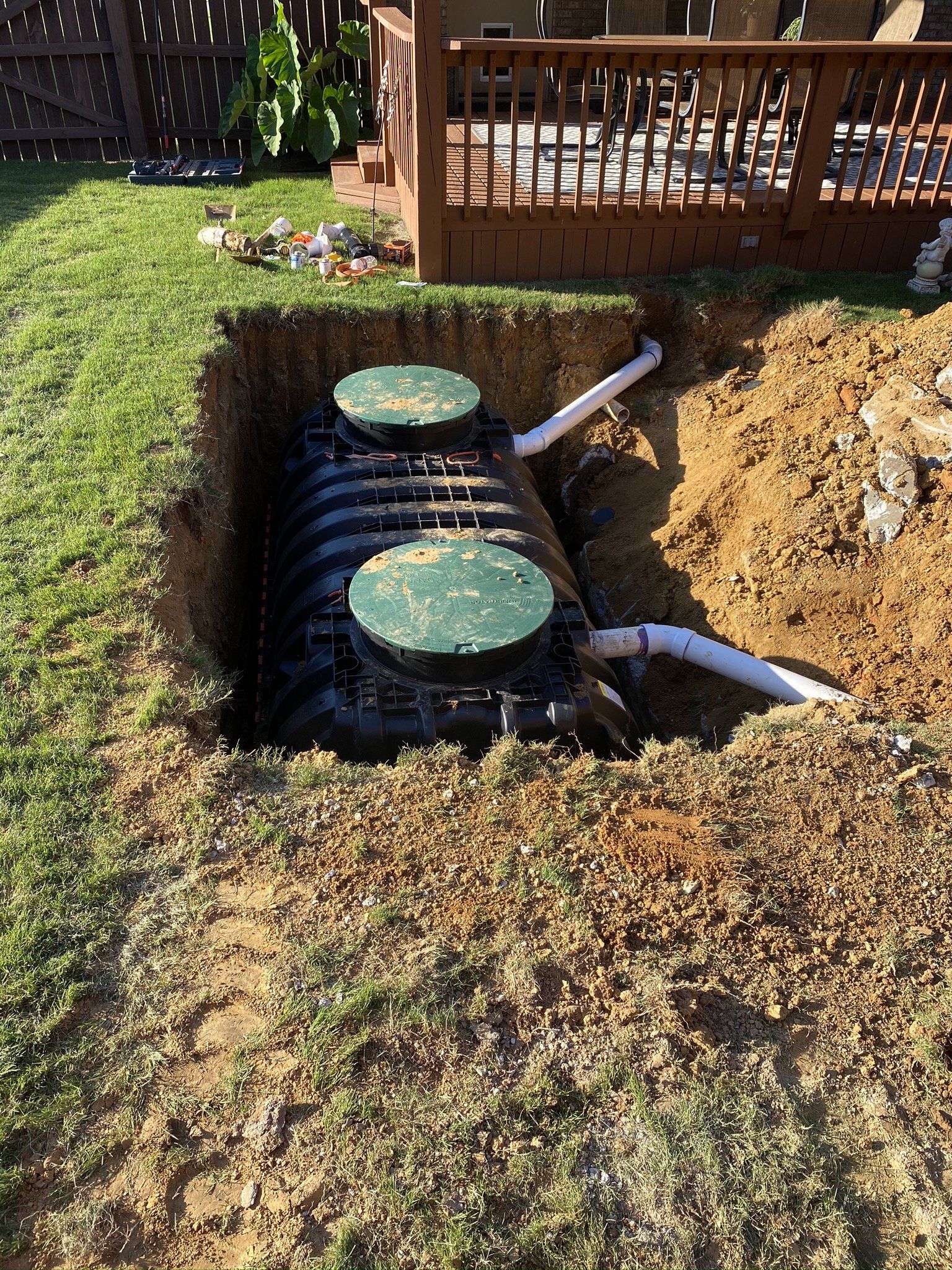
Modern sewer line repairs don't always require full excavation of your yard. Depending on the extent and location of damage, trenchless repair options — including pipe lining and pipe bursting — may allow us to restore your sewer line's function with minimal disruption to your landscaping and driveway. These methods can be faster and more affordable than traditional excavation while delivering excellent long-term results.
Conclusion
Sewer line deterioration is a problem that develops slowly but strikes hard when it finally fails. Slow drains, recurring clogs, sewage odors, lush spots in the yard, and new foundation cracks are all signs that your sewer line deserves professional attention. For homeowners in Huntsville, AL, early intervention is always less disruptive and less expensive than waiting for a full failure.
J Henry Plumbing is here to help with expert sewer line inspections and a full range of plumbing services throughout Huntsville and the surrounding area. Request your inspection today, because the best time to find a sewer problem is before it finds you.
You might also like
Plumbing News